Serving Augusta, Grovetown, Evans & our GA / SC service region 24/7 emergency help

SERVING GEORGIA & SOUTH CAROLINA

Get a plan for the spots that keep coming back.

Pet stain and odor treatment for carpet in Augusta, Aiken, and Columbia. Discuss the affected areas and realistic treatment options.

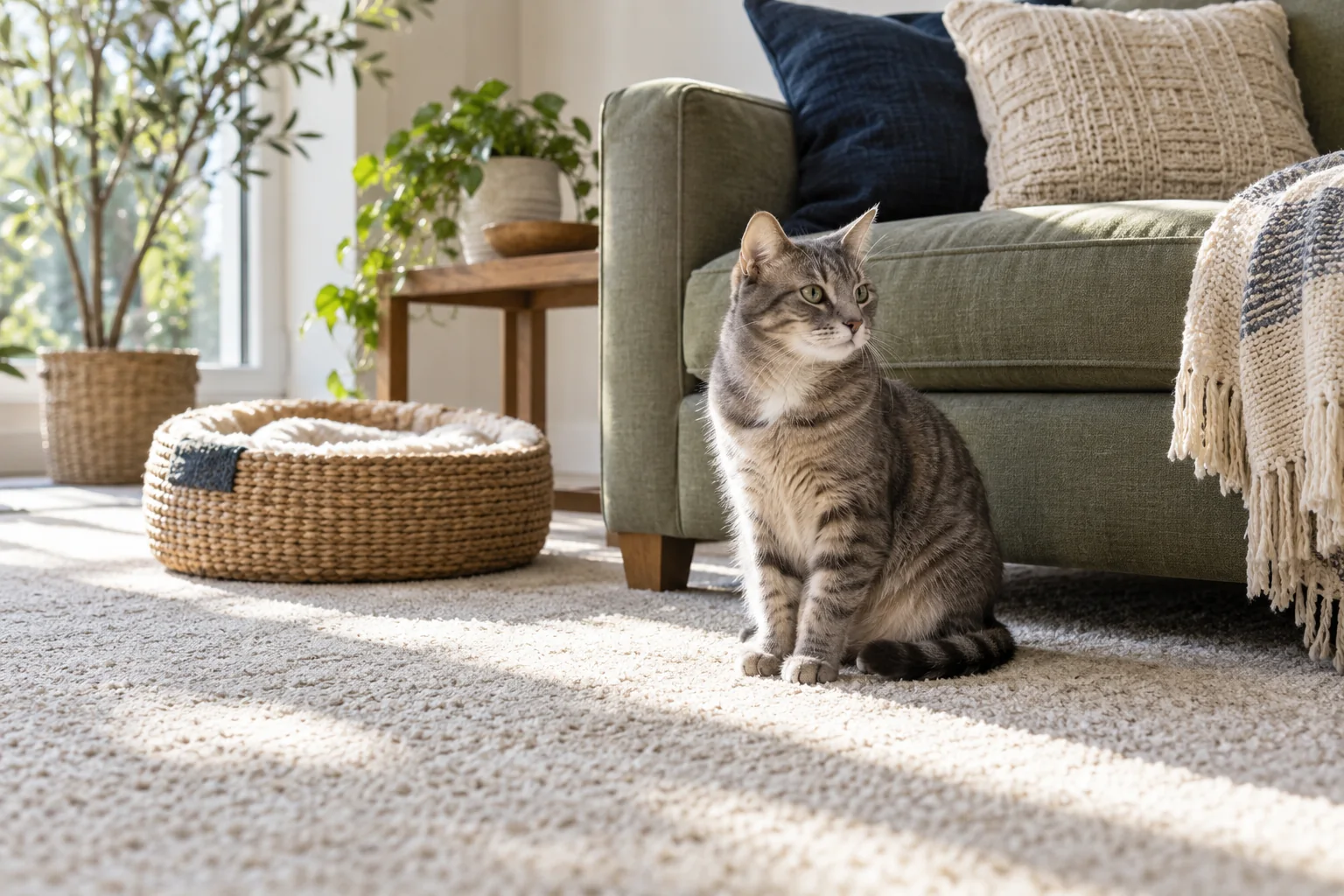
Gray tabby cat resting on carpet beside a sage sofa and woven pet bed

CARE THAT FITS THE PROPERTY

Look beyond the visible spot.

Tell us whether an accident is recent or recurring, which areas are affected, and what has already been used to clean them. Those details help guide the assessment.

Some issues extend into backing or padding. A surface treatment may not resolve every odor, so we’ll discuss the scope and limitations for your property.

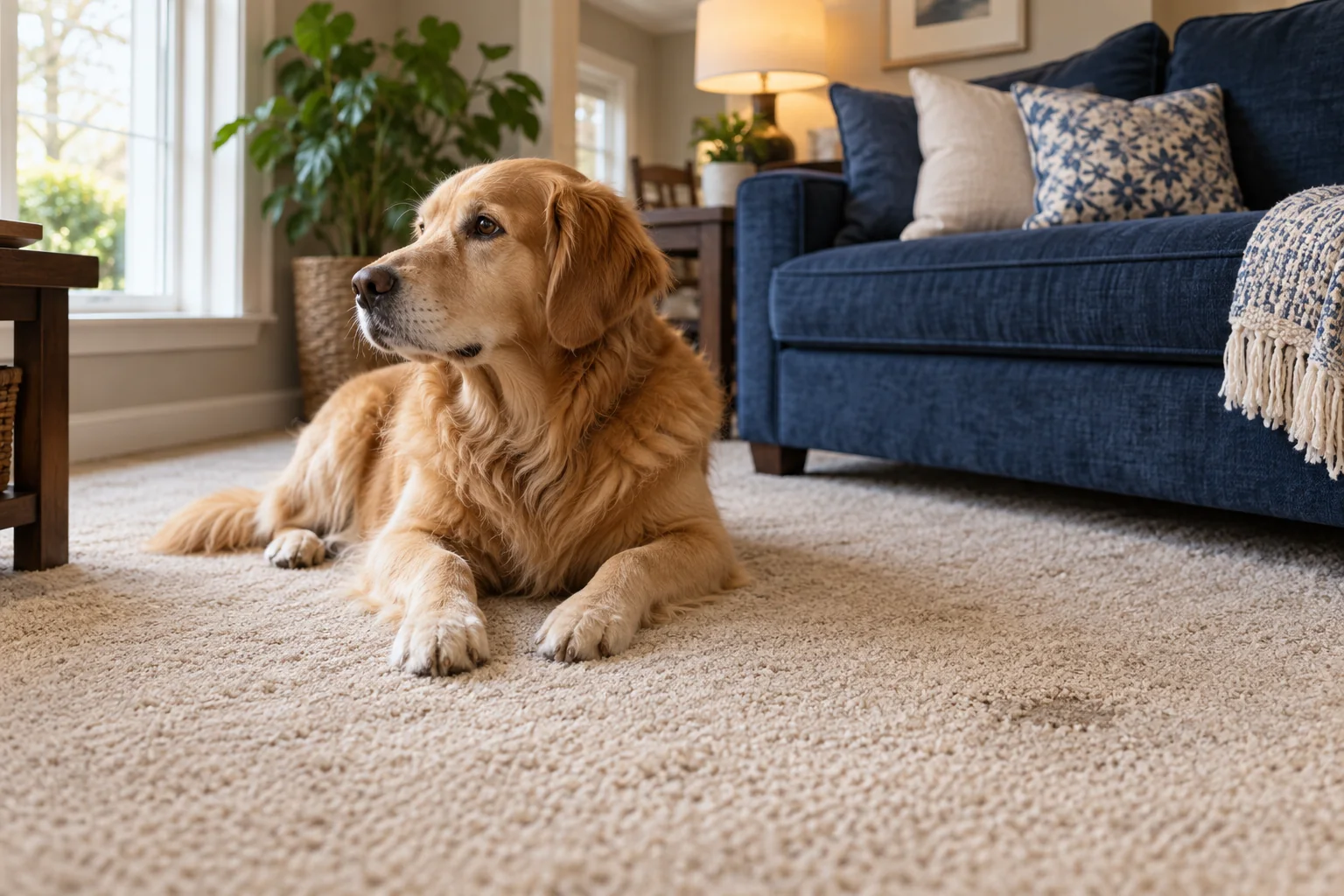
Illustrative dog resting on carpet beside a sofa
For the spaces you share with pets.

Visible staining

Mark the spots you want assessed before your appointment.
Recurring odors

Explain where and when you notice the odor, even if no stain is visible.

Previous treatments

Let us know about store-bought products or past professional cleaning.

WHAT HAPPENS NEXT

A clear path to your refresh.

From the first conversation to the care that follows.

  1. 01

    Explain the history

    Share the location, approximate age, and frequency of the problem.

  2. 02

    Discuss the treatment

    Confirm what can be treated and any limitations before work.

  3. 03

    Review the outcome

    Ask about aftercare and what to do if an issue remains.

Start with the details. We’ll help with the next step.Request My Free Estimate

PRACTICAL PLANNING

Make an informed plan for your property.

Map the concern before choosing the treatment.

Identify the areas where accidents have occurred and where an odor is noticeable. A visible mark and a recurring odor may not tell the same story, so describe them separately. Note whether the issue is limited to one spot or has occurred in several places. You do not need to determine the depth or extent of the contamination yourself; a clear account of the history is a useful starting point.

Explain approximately when the problem began, whether it has repeated, and whether the area has been cleaned before. Mention store-bought products, rented equipment, and earlier professional treatments where known. If the concern is on a rug or upholstered item rather than fitted carpet, identify that material separately. The proposed service needs to reflect the actual surface and condition. A general room-cleaning estimate should not be assumed to include every treatment that a pet-related concern might require.

Discuss visible improvement and odor separately.

A useful treatment conversation should address both the appearance you want assessed and the odor you notice. Ask what the proposed work targets and what limitations apply. Some issues can involve backing or padding, so the visible surface alone may not explain a recurring concern. A promise about every stain or odor disappearing would overlook the differences between materials, contamination history, and previous treatment.

Ask how the areas will be assessed, which tasks are included, and what happens if the condition suggests a different scope. Keep additional decisions separate from the initial estimate so you know what you are approving. If the issue has a history of dampness or a leak, include that information instead of assuming pets are the only possible cause. The first discussion should establish the reported concern and the next assessment or treatment step, with realistic expectations for the property.

Plan the work around pets and normal use.

Tell us about the pets in the home and any product-related concerns you want discussed. Ask about the specific proposed products, preparation, and re-entry instructions before booking. Product suitability and access arrangements should be reviewed for the actual service; a general phrase such as pet friendly does not answer every question. Plan an appropriate place for animals away from the work area and confirm how entry to the property will be handled.

After the agreed treatment, ask when the area can be used and how any remaining concern should be reported. Note where and when an odor or mark is noticed if it recurs, along with any new incident. That information helps distinguish the original request from a later event without assuming a cause. Keep the scope and aftercare guidance together. If the treatment is combined with routine carpet cleaning, make sure both the room areas and the pet-specific work are clearly identified in the estimate and final review.

BEFORE YOU BOOK

Good questions. Clear next steps.

Need an answer specific to your property? Talk with us

What if I can notice an odor but cannot see a stain?

Describe where you notice it, when it occurs, and what is known about earlier accidents or cleaning. Do not guess at the exact source or apply additional products simply to prepare for the enquiry. Ask what assessment is appropriate and what the proposed treatment would address. An odor without a visible spot still needs a clear history and a realistic scope; it does not establish that a surface treatment alone will resolve the concern.

Is odor removal guaranteed?

No universal result is promised. The material, contamination depth, previous treatments, and condition affect what can be achieved.

Are the products suitable around pets?

Tell us about pets and any sensitivities. Ask about the specific products, preparation, and re-entry instructions before the service.

How do I get a price?

Tell us the service, approximate size, condition, and your ZIP code. We’ll discuss the scope and estimate before scheduling. A request does not confirm an appointment.

Which areas do you serve?

We serve Augusta, Aiken, Columbia, and surrounding communities. Check the service-area pages and call with your ZIP code to confirm scheduling for your address.

YOUR NEXT STEP

Let’s take care of your space.

Share your service, location, and what needs attention. We’ll help you plan the next step.
Call NowFree Estimate

LET’S TALK

Where is your property?

Choose your state to call the right number.

For immediate danger, call 911.